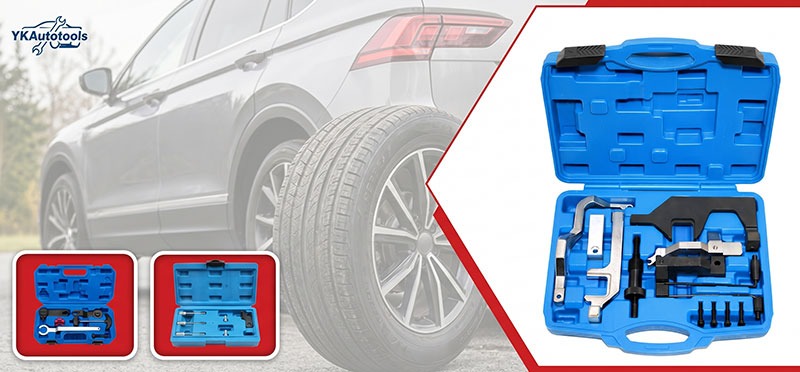
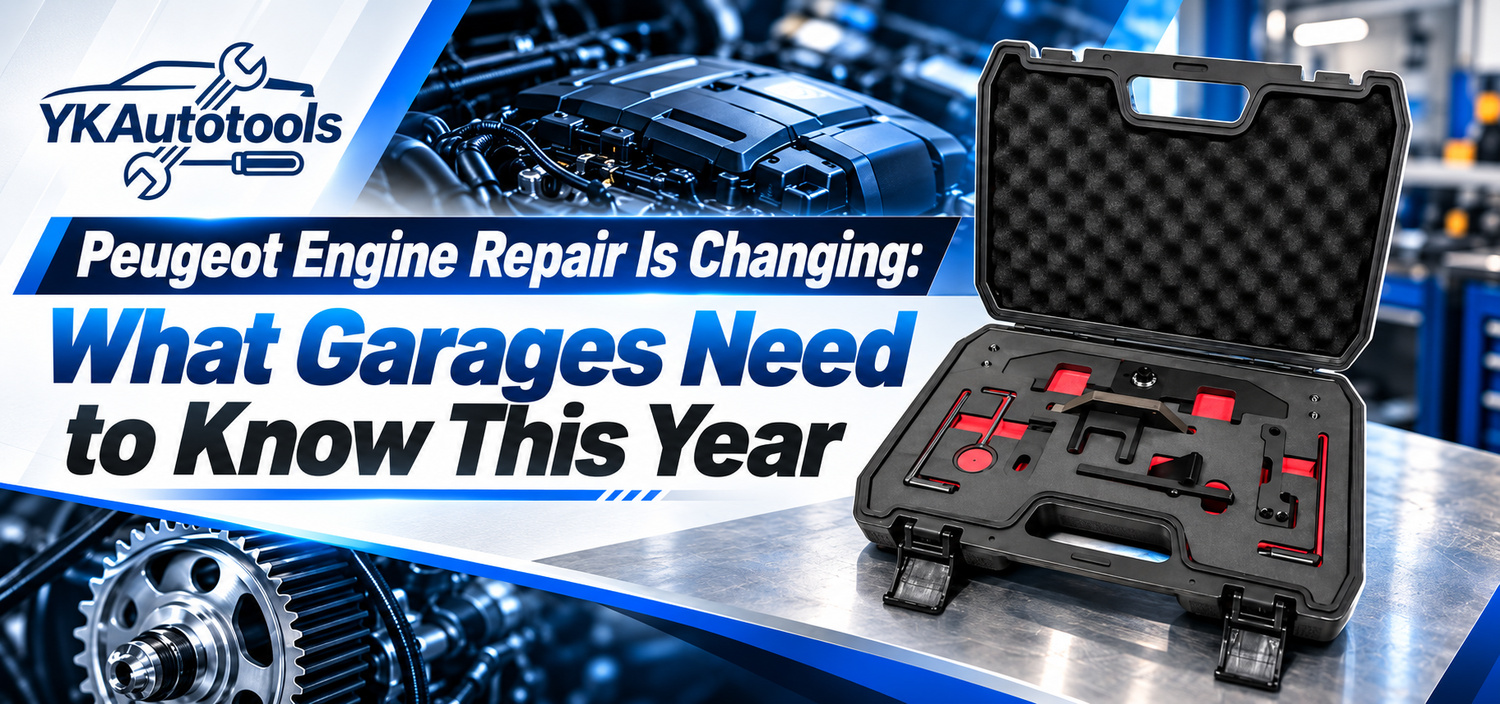
Peugeot engine timing tool kit for garage engine repairs

Peugeot Engine Repair Is Changing: What Garages Need to Know This Year

Peugeot engine repair now needs careful checking before work begins. Mechanics need to identify the exact engine, follow the correct timing steps, and use the right equipment, such as an Engine Timing Tool for Peugeot. This is safer than relying on memory or guesswork. Garages that work on Peugeot and Citroën vehicles see many different engines. Newer engines can have different layouts and timing systems. Two engines may look similar but still need different tools and repair steps.

This does not mean Peugeot engines are hard to repair. It means the mechanic needs to check the details first. Before taking anything apart, check the engine code, vehicle model, and repair instructions from the manufacturer or a trusted source. Guessing from the car model or from a similar job done before can lead to mistakes. Spending a few minutes checking the details can help avoid bigger problems later.

Why Engine Timing Matters

Engine timing keeps the moving parts inside the engine working together. The crankshaft and camshaft need to stay in the correct position. This helps the valves open and close at the right time as the pistons move. When the timing is correct, the engine can work as it should. If the timing is wrong, the engine may run badly, lose power, show warning lights, or have trouble starting. On some engines, a serious timing mistake can cause major engine damage.

Timing jobs need care because parts are removed, moved, and fitted again. If a belt or chain is removed without holding the parts in place, they can move. The engine then needs to be put back into the correct position.

What Does an Engine Timing Tool Do?

An engine timing tool helps a mechanic put engine parts in the correct position during timing work. A suitable Engine Timing Tool for Peugeot is made for certain engine designs. It fits the points or positions needed for that repair. Timing tools can help mechanics:

  • Put engine parts in the correct position
  • Hold parts in place during timing work
  • Follow the correct timing steps
  • Reduce unwanted movement while parts are removed
  • Make timing work more consistent

A timing tool supports the repair process. It does not replace the repair instructions. The mechanic still needs to know the correct steps, tightening values, and other requirements for that engine. The right tool also depends on the exact engine and the type of repair being done.

Why the Right Timing Tool Matters

Two tools may look almost the same but still be made for different engines. Choosing a tool because it looks right or worked on a similar car can be risky. It is better to choose the tool based on the engine model, engine code, and repair procedure. Using the wrong tool can cause problems:

  • It may not fit the correct position
  • A part may still be able to move
  • It may make the engine look correctly lined up when it is not
  • Forcing the tool can damage it or the engine part
  • The repair may stop while the mechanic looks for the correct tool

Generic tools can be useful in a workshop. But if the repair procedure calls for a special tool, a different tool should not be assumed to work in the same way. A timing mistake can cause engine problems that are much harder to fix than simply finding the right tool before starting the job.

When a Timing Tool Kit Makes Sense

For garages that repair Peugeot engines often, a Timing Tool Kit Peugeot can be a useful choice. Some timing jobs need several tools, so a kit can keep them together in one place. A kit can help with:

  • Keeping several timing tools together
  • Getting tools ready before starting a repair
  • Keeping the workshop more organized
  • Having the right tools ready for certain timing jobs

Not every kit is the same. Different kits contain different tools, and one kit may not work for every Peugeot engine. Check the tool list and compatibility information before buying. Compare the kit with the engines your garage works on. A kit that matches your work can be useful. A kit that does not match your needs may simply sit unused.

Peugeot and Citroën Timing Work

Peugeot and Citroën vehicles can use some of the same engines. This means the same engine may be found in vehicles from both brands. This can make some repairs easier, but not every model or year will have the same setup. Engine versions, production years, and fitment can be different.

This is why the car badge alone is not enough when choosing a timing tool. Some Citroen Timing Tools and Peugeot Timing Tools may work with the same engine. Others may only work with a certain application. The best way to check is to confirm the engine code and vehicle application. Then check the tool’s listed coverage.

Garages that work on both brands should check every job carefully:

  • Confirm the engine
  • Check the repair procedure
  • Choose the correct tool

What Garages Should Check Before Buying Timing Tools

A few simple checks can help prevent buying the wrong tool.

  1. Engine compatibility: Check that the tool is made for the exact engine or application.
  2. Vehicle coverage: Check the Peugeot or Citroën models and engine versions covered by the tool.
  3. Tool purpose: Check what the tool is made to do. Some tools hold one engine part while others are used for a different step.
  4. Build quality: Choose tools that are suitable for regular workshop use.
  5. Kit contents: If buying a kit, check every tool included and compare it with your workshop needs.
  6. Storage and organization: A well-organized kit makes tools easier to find during a repair.
  7. Supplier information: Look for clear product details and compatibility information. If the details are not clear, ask before buying.

How Better Preparation Can Help a Garage

Many timing problems can start before the engine is opened. Good preparation helps the mechanic stay organized. It can also reduce interruptions during the repair, although it does not guarantee a faster or cheaper job. A simple process is:

  • Check the engine and vehicle application
  • Read the repair procedure
  • Prepare the required tools
  • Check the tools for damage or wear
  • Follow the timing steps carefully
  • Check the work again before finishing

Having the correct tools ready before starting can also prevent delays. This is especially helpful when the engine is already partly taken apart and a missing tool can stop the repair.

Choosing Peugeot Timing Tools for Your Workshop

The best tool setup depends on the vehicles your garage repairs. A garage that only works on Peugeot vehicles sometimes may only need a few specific tools. These can be bought when needed. A garage that repairs Peugeot and Citroën vehicles every week may benefit from having a wider range of timing tools. When choosing Peugeot Timing Tools, look at:

  • Compatibility with the engines you repair
  • How often you will use the tools
  • Tool quality
  • What each kit includes
  • Your workshop’s actual needs

Price is also important. But a cheap tool that does not fit correctly is not a good saving. The same is true for an expensive kit filled with tools you will never use. It is also a good idea to review your tools from time to time. As newer engines come into the workshop, older tools may not work with them.

Final Thoughts

Peugeot and Citroën engine repair works better when garages check the details before starting. Confirm the engine code, follow the correct repair procedure, and use tools made for the job. YKAutotools  is one option for garages and mechanics looking for Peugeot and Citroen timing tools. If your workshop needs tools for engine timing and repair work, you can look at the Peugeot and Citroën timing tools collection and check the listed compatibility with the engines you repair.
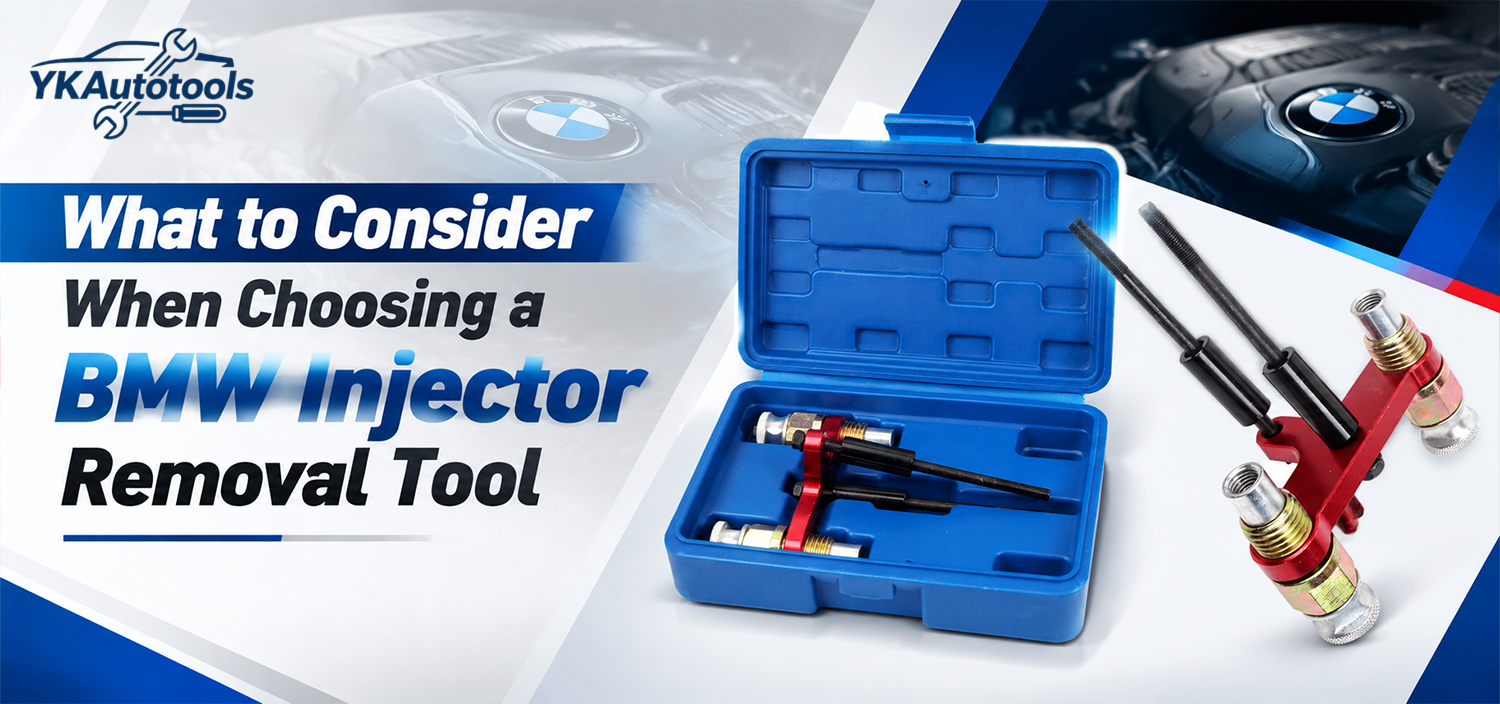
BMW Injector Removal Tool for BMW Engine Repair

What to Consider When Choosing a BMW Injector Removal Tool

Choosing the best tool for BMW injector work depends on several factors, such as engine compatibility, design, construction quality, and the type of job you need to complete. A BMW Injector Removal Tool should be compatible with the particular BMW injector and provide enough control to remove it correctly and safely. Checking these details before buying can help you select a tool that suits the repair. 

An appropriate tool can make removing the injector much easier, particularly when the injector has become stuck in the head of the cylinder. Instead of using a tool that isn’t suitable as well as applying the force in an incorrect way, a specialized tool offers a safer procedure. This is why examining the specifications of the tool prior to purchasing is essential.

What to Consider Before Choosing a BMW Injector Removal Tool?

The process of selecting the right tool to remove your injector starts by understanding what your BMW engine needs. The tool’s design, compatibility and build quality, as well as ease of use, as well as included accessories will all determine if the tool is appropriate for the task.

Considering these elements before purchasing will aid you in selecting the right equipment that is suited to the repair correctly and gives more control over the removal of injectors.

1. Check BMW Engine Compatibility

The first thing you should consider to determine is if the instrument works with the BMW engine. This is vital since BMW automobiles can have different designs for injectors as well as engine designs.For instance The BMW N20 N26 N55 Injector Tool is designed to be used in specific BMW N20, N26, and N55 engine applications. If you are working on any or more of the engines listed above, make sure whether the tool is designated for the injector you are using on your vehicle.

Don’t choose an instrument based on the fact that its product’s name includes “BMW.” Examine the specifications of the tool manufacturer and then compare them to the engine you’re servicing.Engine compatibility affects how the tool connects to the injector. A puller attachment or adapter must be fitted perfectly. If the connection isn’t adequate, the tool may not be able to provide the necessary control when removing.

2. Check How the Tool Removes the Injector

The mechanism for removal is an additional important aspect to take into consideration. A reliable injector removal tool will allow for force to be applied in a controlled way.Different tools may employ different techniques, including threaded pullers bridge system, a puller, or a slide-hammer mechanism. The best method is determined by the injector used and the BMW engine’s application. A bridge-style or threaded system can give a controlled pull force in situations where the injector is difficult to take off. 

A BMW fuel injector Removal Tool must be specifically designed to perform the task in a specific manner instead of relying on generic equipment. The right removal procedure will allow the repair to be easier to predict and manage.

3. Check the Tool’s Build Quality

Quality of build should be taken into consideration prior to purchasing an injector-removal tool. Removal of an injector that is stuck can take a lot of force, therefore the tool should be sturdy enough to handle the task.Find strong metal, strong threads, sturdy connecting components and well-constructed adapters. These parts must function with each other without bending or movement.

Threads that are not of good quality may be damaged by force. The adapter that is weak may slide off or fail to secure the injector properly. This could create more difficulty in the repairs and could cause additional issues. For use on a limited basis, the basic endurance may suffice. In a professional workshop however, the device could be used frequently. If so, selecting an instrument that is well-constructed can offer more value over the long run.

4. Consider Removal and Installation Requirements

Before you choose a tool, you should consider whether you just need to take injectors off or require new injectors.A tool that only removes the cylinder may be a good choice if your primary task is to remove older or damaged injectors. However, if your shop regularly replaces injectors, a tool that can also support installation could be more efficient.

The Fuel Injector Installation Tool can assist in the proper placement and installation of an injector, if the tool is specifically designed specifically for the intended use.Certain specialist kits include the removal and installation parts. This may make it less costly to buy distinct equipment at each step of repair. But, don’t assume that all injector removal kits will allow installation. Review the description of the product and the list of components included prior to purchasing.

5. Check the Included Adapters and Accessories

The accessories that are included make an enormous difference when selecting the right tool to remove injectors. Be sure to check the complete items included in the kit prior to purchasing. According to the model, the kit could include injector adapters, pull screws, bridges, spacers, installation elements or other accessories. These accessories permit the tool to operate with certain injector models.

The number of accessories available is not all that is important. The accessories should be appropriate to the engine and injector you’re working with.For instance, a kit comprising a number of adapters is not always useful if none of them match with your BMW injector. A simpler kit that has the appropriate components could be more suitable.

What Should You Check Before Buying the Tool?

Before purchasing a BMW injector tool, check these key factors:

  • Compatibility: Make sure the tool is specifically designed for your BMW engine and injector type.
  • Removal Mechanism: Check how the tool applies pulling force and whether the connection is secure during injector removal.
  • Build Quality: Look at the materials and construction to ensure the tool can handle the level of use you expect.
  • Installation Requirements: If you plan to replace injectors, check whether the kit includes the components needed for installation.
  • Adapters and Attachments: Review all included adapters, attachments, and accessories to make sure they are suitable for your repair work.
  • Overall Value: Don’t choose based on price alone. A cheaper tool may have poor fit or durability, while a more complete kit may offer better value for regular repairs.
  • Specific Repair Needs: Choose a tool that matches your BMW injector maintenance and repair requirements.

Why Does the Right Injector Tool Matter?

The correct injector tool is crucial since injector removal requires correct pressure and contact. A tool that is not suitable for the job will make the process difficult and could put pressure on the injector or the components around it. A specialist tool is created specifically for specific injectors. This could provide a better connection and make the elimination process simpler to manage.

The proper tool can help to reduce time spent in the workshop. If the right adapters and pulling parts are in place, technicians do not need to waste time testing different techniques or changing equipment for general use. For routine BMW maintenance the right tools for the job can allow injector servicing to be more efficient.

Final Thoughts

The most effective method to select the best BMW injector tool to begin with the specific BMW engine as well as the injector software. After verifying compatibility, think about the mechanism for removal, its construction quality, requirements for installation and the included accessories.

The right tool will offer a secure connection and a controlled force of pulling, while being sturdy enough for the task you have to complete. Spending a few minutes to verify the details prior to buying could make sure that there are no issues in the repair.

YKAutotools offers specialist BMW injectors for various applications like N20, N26 and N55 motors. By examining the specifications and information of the BMW fuel Injector Removal Tool technicians and workshops can select the right equipment for their particular repair needs.

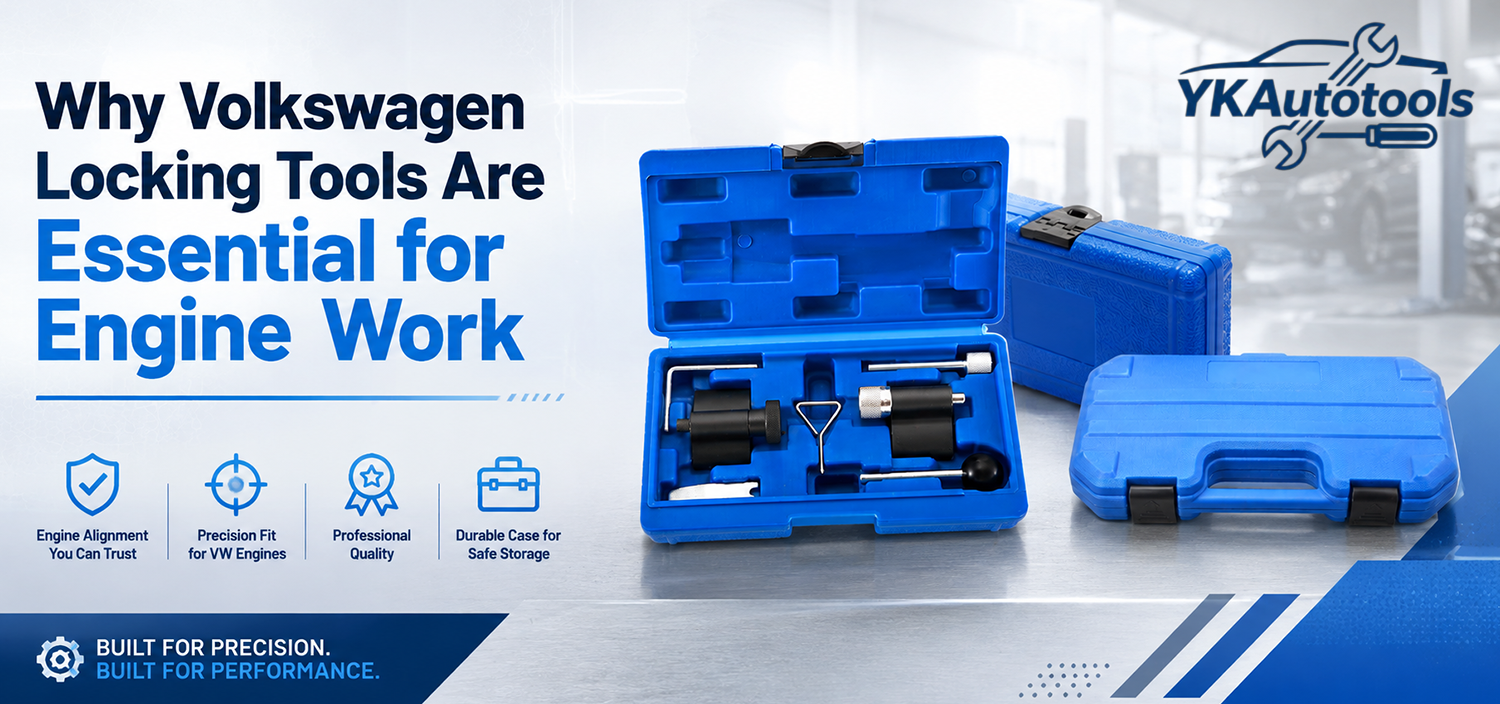
Volkswagen locking tools for accurate engine timing and repair work

Why Volkswagen Locking Tools Are Essential for Engine Work

Volkswagen locking tools are essential for engine work because they help hold important engine parts in the correct position during repairs. A suitable Volkswagen locking tools set can make jobs such as timing checks, belt replacement, and engine adjustments more controlled and accurate. Using the right tool for the specific engine also helps reduce the chance of parts moving while the work is being carried out.

Engine timing work often needs more care than a normal repair job. Parts such as camshafts and crankshafts need to stay in their proper positions. Even a small movement can make the job harder and may affect the final timing. This is why mechanics use locking tools instead of relying on basic hand tools.

What Makes Locking Tools Important for Volkswagen Engine Work?

Locking tools are made to hold or position specific engine parts during repair work. They are shaped for particular engines and components, so the tool can fit where it is needed. This is useful when working on timing systems because the mechanic needs a stable reference point. A proper locking tool can help keep the engine components in position while another part is removed, replaced, or adjusted.

The right tool also makes the work more organised. Instead of trying to hold a component by hand, the mechanic can use a tool designed for that job.

1. Engine Parts Need to Stay in the Correct Position

Timing work depends on the correct position of several moving parts. The camshaft and crankshaft, for example, need to remain aligned during certain repair procedures. If a component moves when the timing belt or chain is removed, putting everything back together can become more difficult. The mechanic may then need to check the timing again before finishing the job. A locking tool provides support during this process. It helps prevent unwanted movement and gives the mechanic a more reliable way to work on the engine.

2. The Right Tool Depends on the Engine

Not every Volkswagen engine uses the same timing arrangement. Different engine families can require different tools.This is important when buying a locking tool set. The engine code and vehicle application should be checked before choosing a kit. A tool that fits one engine may not be suitable for another. The same point applies to audi locking tools. Audi engines can also have specific timing and positioning requirements, so checking compatibility is an important step before starting a repair.

3. Timing Belt and Chain Work Becomes More Controlled

Timing belt and timing chain jobs involve several steps. Parts may need to be removed, positioned, replaced, and checked before the engine is put back together. A locking tool can help keep the required components steady during this work. This gives the mechanic better control while making adjustments or installing replacement parts. It does not replace the repair procedure or the manufacturer’s instructions. Instead, it is a tool used as part of the process.

4. Special Tools Can Save Time During Repairs

Using a general-purpose tool for a job it was not designed for can make engine work slower. It may also make it harder to hold a component properly. Specialist tools are made for particular repair tasks. Once the correct tool is selected, the mechanic can get on with the job without trying to find another way to keep an engine part in position. For workshops that regularly work on Volkswagen vehicles, keeping suitable locking tools for volkswagen engines can be useful. The tools can be stored and used whenever a compatible repair comes into the workshop.

5. A Complete Kit Can Cover Several Repair Tasks

Some locking tool kits contain several pieces rather than just one tool. This can be useful when a timing job requires more than one positioning or holding tool. A complete kit may include tools for camshaft positioning, crankshaft locking, sprocket holding, or other related tasks. The exact contents depend on the kit and the engine it is designed for.

Before buying a multi-piece kit, check the listed applications carefully. The number of pieces is not as important as whether those pieces are suitable for the engine being repaired.

6. Volkswagen Oil Sealing Tools Have a Different Job

Not every engine repair requires a locking tool. Some jobs involve seals and oil-related components instead. Volkswagen oil sealing tools are designed for these types of tasks. They can help with the correct fitting or removal of certain oil seals without using unsuitable tools.

Keeping the right specialist tool for each repair makes the work easier to organise. It also reduces the need to improvise when dealing with parts that require careful fitting.

What Should You Check Before Buying a Locking Tool Set?

The first thing to check is engine compatibility. Look at the engine code or model information and compare it with the applications listed for the tool.

It is also worth checking:

  • The number of pieces in the kit.
  • The material used to make the tools.
  • The components included in the case.
  • The engine models covered.
  • The type of timing work the kit supports.
  • The case size and storage options.
  • Any supplied instructions or part-number references.

Material is another point to consider. Steel is commonly used for engine timing tools because the tools need to handle regular workshop use. A storage case can also be useful. It keeps the pieces together and makes it easier to find the required tool when another timing job comes in.

Why Is Compatibility More Important Than the Number of Tools?

A large tool kit is not automatically the better choice. What matters is whether the tools match the engine. A seven-piece set designed for one engine family may be much more useful than a larger set that does not contain the pieces you need. This is especially important for Volkswagen and Audi engines because timing systems can differ between engine families. Always check the product details before purchasing rather than choosing a kit based only on its size.

How Should Locking Tools Be Used During Engine Repairs?

The tool should always be used according to the repair procedure and the instructions supplied with the kit. The engine should be positioned correctly before the locking tool is fitted. Once installed, check that the tool is seated properly. Do not force a tool into place if it does not fit as expected. The correct fit should come from using a tool designed for the particular engine. It is also important to follow the vehicle manufacturer’s repair specifications. A locking tool helps with positioning, but correct engine repair involves more than simply fitting the tool.

Final Thoughts

Locking tools for volkswagen  can make engine repair work more controlled by helping keep important parts in the right position. They are especially useful during timing belt, timing chain, and other jobs where correct alignment matters. Before choosing a set, check the engine code, tool application, included pieces, material, and instructions. YKAutotools offers specialist locking and timing tools for different Volkswagen and Audi engine applications, helping mechanics choose equipment that suits the repair they are carrying out.

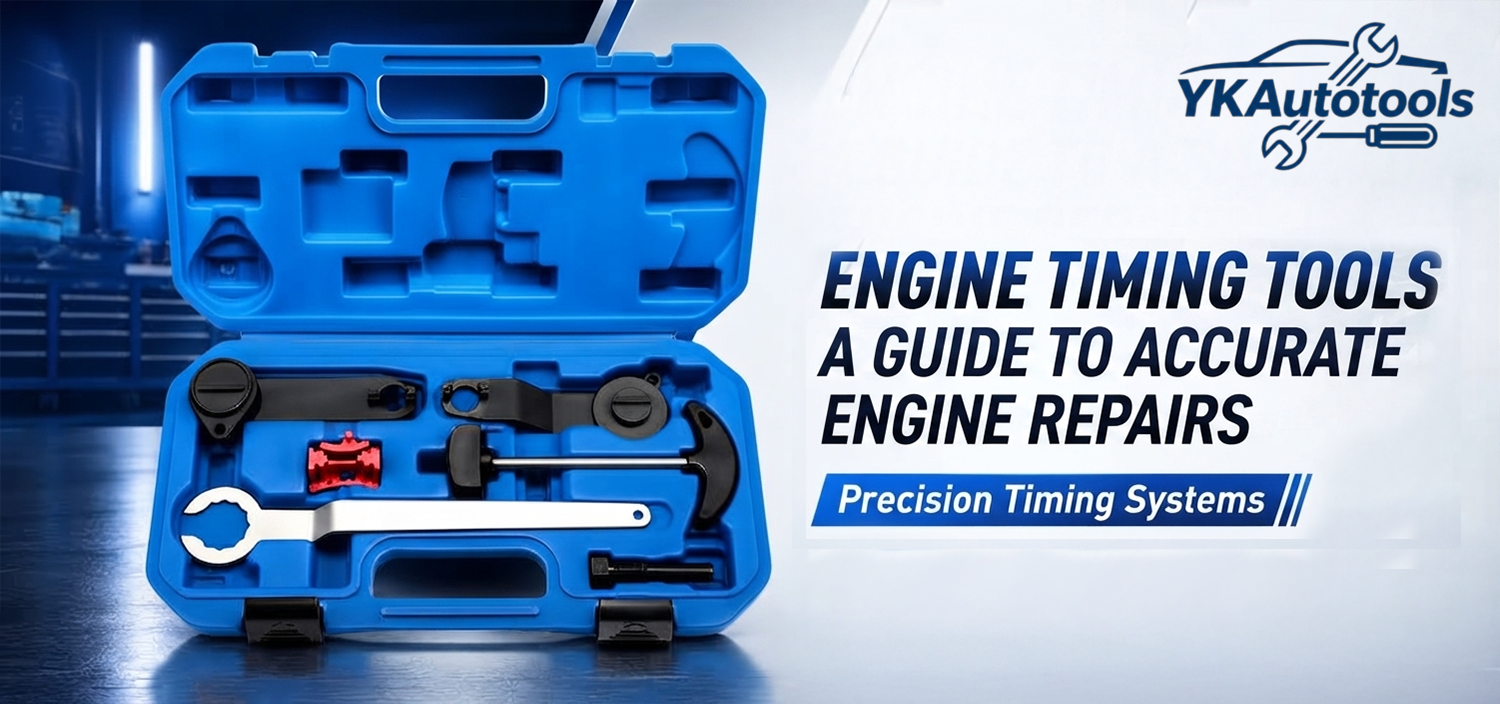
Engine timing tools for accurate engine repairs

Engine Timing Tools: A Guide to Accurate Engine Repairs

Engine timing is one of those jobs where the right tool can make a big difference. Engine Timing Tools help hold parts such as the camshaft and crankshaft in the correct position while a mechanic works on the timing system. This is useful during jobs such as changing a timing belt or working on other timing parts. Since engines are not all built the same way, the tool that works for one engine may not work for another. Checking the engine details before buying is always a good place to start.

What Are Engine Timing Tools?

Engine timing tools are made to help with repairs that involve an engine’s timing system. Depending on the tool, it may hold a shaft, line up a part, or keep a component from moving during the repair. This gives the mechanic better control while working.

Timing work often involves the camshaft, crankshaft, timing belt, timing chain, or other related parts. When one of these parts is removed, keeping everything in the right position becomes important. A tool made for the engine can make this part of the job much easier.

Why Is Engine Timing Important?

The engine has many moving parts that need to work together. The crankshaft and camshaft must turn in the correct relationship for the engine to work properly. During a repair, these parts may need to be moved or held in place. If they are not put back in the correct position, the engine may not run properly after the work is finished.

That is why mechanics use the correct timing tools instead of trying to hold parts by hand. The exact steps can vary from one engine to another, so the vehicle’s repair instructions should be followed.

How Do You Choose the Right Tool?

The first thing to find is the exact engine fitted to the vehicle. The vehicle make and model are useful, but they may not be enough because one model can have several engine options. Check the engine code and model year where possible. Then compare those details with the product information for the tool.

Also think about the job itself. A tool made to hold a camshaft will not necessarily do the job of a crankshaft locking tool. Reading the tool description before buying can save you from choosing the wrong item.

What Should You Check Before Buying?

A quick check before buying can prevent a lot of trouble later. Look at:

  • Engine details: Match the tool with the correct engine code.
  • Vehicle application: Check the listed makes and models.
  • Job: Make sure the tool is made for the repair you plan to do.
  • Contents: Check every item included in a kit or set.
  • Build: Look for solid construction and clean finishing.
  • Instructions: Check that the correct use is clearly explained.
  • Storage: A case is useful for keeping small parts together.

A tool does not need to be complicated to be useful. It just needs to fit the job properly.

What Is an Engine Timing Tool Kit?

An Engine Timing Tool Kit brings several timing tools together in one package. The tools in the kit are usually made for a particular engine or a group of related engines. Depending on the kit, you may find locking pins, alignment pieces, holding tools, and other parts used during timing work. Having them together can be handy when a repair calls for more than one tool.

A kit can also make workshop storage easier. Instead of keeping small timing tools in different drawers, they can stay together in one case. Do not choose a kit only because it has a long list of pieces. Check the engine applications first. A smaller kit that fits your work can be more useful than a large one with tools you never need.

When Is a Timing Tool Set Useful?

An Engine Timing Tool Set can be a handy choice for a mechanic who often works on the same engine family. The tools are already kept together, so there is less searching before a job begins. Sets can also help workshops keep their tools organized. After a repair, the pieces can go back into the same case, making it easier to notice if something is missing.

For a one-off repair, buying a complete set may not make sense. If the job needs only one special tool, that single tool may be enough. Think about the repairs you usually handle. Your normal work is a better guide than the number of tools in a box.

How Do Automotive Timing Tools Help?

Automotive Timing Tools are made for timing work on different types of vehicle engines. Their size and shape depend on the engine they are designed for. A suitable tool can help keep an engine part in place while the mechanic works on another part of the timing system. This can make the work more controlled and easier to manage. Timing tools are available for selected engine applications from brands such as Volkswagen, Audi, BMW, Porsche, Peugeot, and Citroen. The vehicle brand alone is not enough to choose the correct tool, though. The exact engine and repair procedure still need to be checked.

What Should You Check to Make Sure an Engine Timing Tool Is Good Quality?

Check the tool’s shape, edges, locking points, threads, and contact areas before buying. The tool should have a solid finish, fit correctly, and be free from visible damage. For a set, also check the storage case and make sure all pieces are included.

  • Build: Look for solid construction.
  • Finish: Check for clean edges and surfaces.
  • Fit: Make sure it matches the correct engine.
  • Condition: Avoid cracks, bends, or damaged parts.
  • Storage: Choose a case that keeps the tools organized

How Do You Care for Timing Tools?

Timing tools spend plenty of time around oil and dirt, so they should be cleaned after use. Wipe away workshop residue and follow any care instructions supplied with the product. Put the pieces back in their case or storage area when the job is finished. Small pins and adapters can be easy to lose when they are left loose in a toolbox.

It is worth checking the tools from time to time as well. Look for:

  • Bent pieces
  • Damaged threads
  • Cracks
  • Worn contact areas
  • Loose or broken parts

If a tool is damaged, replace it rather than using it for an important repair.

What Common Mistakes Should You Avoid When Choosing Engine Timing Tools?

Avoid choosing a tool by vehicle brand alone. Always check the engine code, tool application, and repair instructions before buying. Also, never force a tool if it does not fit correctly.

  • Wrong engine: Check the exact engine code.
  • Wrong kit: Check every tool included.
  • Wrong application: Match the tool to the repair job.
  • Ignoring instructions: Follow the correct repair procedure.
  • Forcing the tool: Stop and check the fit again.

What Makes a Timing Tool Useful?

The most useful timing tool is one that suits the work you actually do. A small workshop working on a few engine types may need only a handful of specific tools. A larger workshop working on many vehicles may find a wider set more practical.

Before placing an order, check the following:

  • Which engines the tool fits
  • What part it is made to hold or align
  • What comes in the package
  • How the pieces are stored
  • Whether the product information is clear
  • Whether the tool suits the repair procedure

There is no need to buy more than you need. Getting the right tool for the right engine is what matters.

Final Thoughts

Engine timing work calls for care, patience, and the right equipment. An Engine Timing Tool Set can be useful when a repair needs several matching pieces, but checking the engine application should always come first. Look at the engine code, product details, included tools, and repair instructions before making a choice. YKAutotools offers timing equipment for different vehicle and engine applications, helping mechanics find tools that match the repair work they handle.

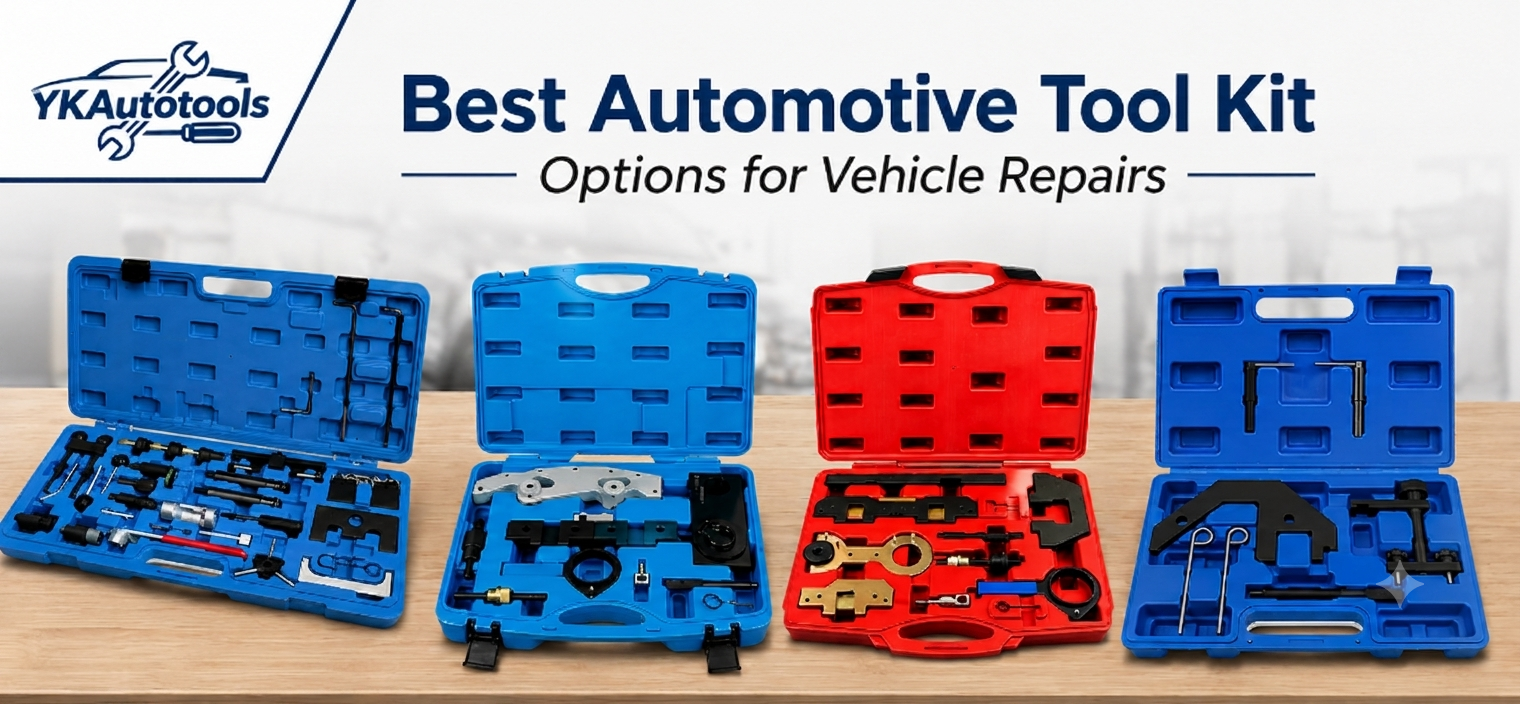
Automotive Tool kit

Best Automotive Tool Kit Options for Vehicle Repairs 

Most garages run into the same problem: too many tool kits claiming to do everything, and not enough clarity on what actually matters for the job at hand. Picking the right Automotive Tool kit isn’t about buying the biggest case on the shelf- it’s about matching the tools to the repair you’re actually doing. A weekend oil change needs a completely different setup than a timing chain replacement on a BMW M54. This guide breaks down the real differences between general-purpose kits, specialty tools, and engine-specific sets, so the decision gets easier instead of more confusing.

What Counts as a General Auto Repair Tool Kit

Most people’s first experience with an auto repair tool kit is a broad set- sockets, wrenches, pliers, screwdrivers, all bundled into one case. These are genuinely useful for:

  • Routine maintenance like oil changes, filter swaps, and battery replacement
  • Minor fixes such as loose interior trim, squeaky hinges, or worn wiper arms
  • Emergency roadside situations, including flat tires and dead batteries
  • Light DIY work that doesn’t require brand-specific tooling

General kits are a fine starting point, but their biggest limitation shows up the moment a repair gets specific to one manufacturer’s engineering. A 200-piece socket set won’t help much when a job calls for a tool shaped to fit one exact engine bracket.

Why Specialty Tools Matter for Modern Engines

European cars in particular weren’t designed with universal repair access in mind. BMW, VW, and Audi all use proprietary locking points, sprocket designs, and tensioner systems that simply don’t accept generic tools. This is where Automotive specialty Tools come in- built to match one engine family’s exact dimensions rather than approximating a fit.

Trying to force a standard tool into a job designed for a specialty one usually leads to:

  • Stripped bolts or damaged sprockets from improper leverage
  • Incorrect camshaft or crankshaft positioning during reassembly
  • Wasted labor hours redoing a job that wasn’t aligned the first time correctly
  • In the worst cases, bent valves from a timing mistake on an interference engine

Engine Timing Tool Kits: What They Actually Do

Timing kits exist because camshafts and crankshafts have to be locked into an exact position before a belt or chain comes off- and that position has to stay locked through reassembly. A proper timing tool kit typically includes:

  • A camshaft locking tool to hold position during disassembly
  • A crankshaft TDC (top dead center) locking pin
  • A chain or belt tensioner locking pin to control tension safely
  • A sprocket holding tool to prevent rotation during bolt removal
  • Sometimes, a pneumatic adapter for systems like BMW’s VANOS, which need air pressure testing during the process

Skipping any one of these steps- even with the right intentions- is how a routine timing job turns into a much bigger repair bill.

Injector Tools: A Smaller Category That Solves Bigger Problems

Fuel injectors on direct-injection engines, like BMW’s N20, N26, and N55, sit deep in the cylinder head and are notoriously prone to seizing in place over time, especially with carbon buildup. A dedicated injector puller applies even, controlled force to remove a stuck injector without cracking the surrounding housing- something a pry bar or generic puller seldom manages cleanly.

Comparing General Kits vs. Specialty Engine Tool Kits

FeatureGeneral Auto Repair KitSpecialty Engine Tool Kit
Best forRoutine maintenance, minor repairsTiming jobs, injector removal, engine-specific tasks
Vehicle compatibilityBroad, non-specificMatched to exact engine codes (e.g., M54, N55)
Risk if misusedLowHigh- incorrect timing can damage the engine
Typical pieces100–200+1–11, engine-specific
Reusability across vehiclesHighLimited to compatible engine families
Investment valueGood for general ownershipEssential for anyone repeatedly working on the same engine family

How to Match a Tool Kit to Your Repair Job

Before buying anything, it helps to ask a few honest questions:

  • What’s the actual job? Routine maintenance calls for general tools. Timing, VANOS, or injector work calls for something engine-specific.
  • What engine code am I working with? BMW alone has used dozens of engine families (M50, M52, M54, M56, N20, N55, W16D, and more), and timing tools rarely cross over between them.
  • How often will this tool get used? A specialty kit used once a year still pays for itself by preventing a single costly mistake.
  • Does the kit include documentation? Reference instructions and part-number cross-references reduce guesswork significantly during reassembly.

Common Mistakes When Choosing an Automotive Tool Kit

  • Buying a generic timing kit and assuming it fits “most BMWs”- engine families differ enough that this rarely works cleanly
  • Skipping the locking pin or tensioner tool because the job “looks simple” without it
  • Ignoring case organization, which makes it easy to lose a small but critical pin mid-job
  • Choosing the cheapest available kit without checking the material- soft metal pins bend under pressure and lose their fit over repeated use

Specialty Engine Timing and Injector Tools for BMW Engines

For anyone working specifically on BMW and BMW Mini engines, having the correct tool matched to the exact engine code removes most of the guesswork from these jobs:

  • Injector removal and installation tool for BMW N20, N26, and N55 engines– A steel injector puller built specifically for these direct-injection engines, designed to remove seized or stuck injectors without damaging the cylinder head. Comes in a single-piece kit weighing 1.5 kg.
  • Engine timing tool kit for BMW Mini (W16D)– A 6-piece steel kit suited to Mini and Mini Clubman models (2007–2010, R55/R56/R57 chassis), with some crossover compatibility for certain Citroën and Peugeot models that share the same engine architecture.
  • BMW M52TU/M54/M56 Double VANOS timing tool set– A 5-piece steel and aluminum alloy kit built specifically for BMW’s Dual VANOS variable valve timing system on 6-cylinder gasoline engines from 1998 onward. It includes a timing setup bracket, sprocket locking tool, air adapter, chain tensioner locking pin, and primary chain tensioner tool- covering the full process from disassembly through pneumatic testing of the VANOS unit.
  • 11-piece comprehensive BMW engine timing tool kit– Covers a wider range of engines (M40, M42, M43, M44, M50, M52, M54, M56), making it a practical option for shops that service multiple BMW generations rather than just one engine family. Includes operating instructions with cross-references to original part numbers.
  • BMW M42, M52, M54, M56, M50 (3.0L) timing tool kit– A 9-piece steel set built for Dual VANOS engines used in BMW’s X3, X5, and 7 Series models, including camshaft locking tools, a VANOS wrench, sprocket alignment tool, chain tensioning tools, locking pins, and a VANOS pneumatic connector.

Each of these kits solves a narrow but specific problem: locking the right components in the right place, on the right engine, without relying on improvised tools that risk damaging expensive parts.

Final Thoughts on Choosing the Right Tool Kit

There’s no single “best” automotive tool kit that covers every repair scenario; the right choice depends entirely on the work being done and the engine being serviced. General kits remain useful for everyday maintenance, but anyone working on European engines with proprietary timing systems will eventually need tools built to match those specific designs. But anyone working on European engines with proprietary timing systems will eventually need tools built to match those specific designs. YK Auto Tools focuses specifically on this kind of specialty equipment, offering engine-matched timing and injector tools for BMW, VW, Audi, and related platforms, which makes it a relevant option for anyone trying to move beyond generic kits and into precision-matched repair tools.

Top Must-Have Auto Repair Tool Kits Every Workshop Should Stock in 2026

A well-equipped auto repair workshop is only as good as the tools it uses. High-quality, durable, and complete Auto Repair Tool Kits can significantly improve efficiency, reduce repair time, and increase customer satisfaction. As a professional manufacturer in Ningbo, China, YK Automobile specializes in supplying reliable auto repair tool kits to workshops and distributors worldwide.

Why Quality Tool Kits Matter Cheap or low-grade tools often break during critical jobs, leading to delays, frustrated technicians, and unhappy customers. Investing in properly designed tool kits from a trusted supplier ensures:

  • Better durability
  • Ergonomic design for daily use
  • Comprehensive sets that cover most common repairs

Popular Auto Repair Tool Kit Categories from YK Automobile

  • General Mechanic Tool Sets
  • Socket and Wrench Kits
  • Specialty Tool Kits for engine, suspension, and electrical repairs
  • Portable and heavy-duty tool kits for roadside assistance

All our tool kits are manufactured with attention to material quality, precision, and user-friendly design.

Key Features of Our Auto Repair Tool Kits

  • High-strength materials for long service life
  • Organized storage cases for easy transport and inventory management
  • Compatibility with a wide range of car models
  • Cost-effective bulk pricing for wholesalers and importers

Who Should Buy Our Tool Kits?

  • Independent auto repair garages
  • Auto service chains
  • Tool distributors and wholesalers
  • Exporters looking for private label opportunities

Conclusion

Stocking the right auto repair tool kits is a smart investment for any workshop or business in the automotive aftermarket. With over a decade of manufacturing experience, YK Automobile is ready to supply you with dependable, high-value tool kits that your customers and technicians will appreciate.

Looking for bulk supply or custom tool kits? Fill out our Request a Quote form or contact us today — we respond quickly and help you get exactly what your market needs.

Why Choosing a Reliable Chinese Auto Parts Manufacturer Matters in 2026

In today’s highly competitive automotive aftermarket, sourcing high-quality auto parts at competitive prices is more important than ever. Whether you are an importer, distributor, or auto repair workshop owner, partnering with a trustworthy manufacturer can make or break your business. Established in 2014, Ningbo Youkoy Manufacture & Trading Co., Ltd. has been delivering consistent quality in auto repair tool kits, auto lamps, rearview mirrors, and horns to customers across North & South America, Europe, the Middle East, and beyond.

The Challenges of Sourcing Auto Parts from China Many buyers face common issues when importing from China:

  • Inconsistent product quality
  • Late deliveries
  • Poor communication
  • Lack of customization options

A reliable manufacturer helps you avoid these problems and build a sustainable supply chain.

What Makes YK Automobile Different?

  • Manufacturer + Trading Company: We combine factory production strength with flexible trading services.
  • Wide Product Range: Our flagship category is Auto Repair Tool Kits, along with high-demand items like auto lamps, rearview mirrors, and auto horns.
  • Customer-Focused Approach: We serve customers enthusiastically and focus on delivering consistent high-quality auto products.
  • Global Reach: 80-90% of our production is exported worldwide.

Benefits of Partnering with Us

  1. Stable quality control
  2. Competitive factory-direct pricing
  3. Professional support for custom orders
  4. Timely delivery and responsive communication

Conclusion

In 2026, success in the auto parts business depends on choosing the right long-term partner. At YK Automobile, we don’t just sell products – we build relationships based on trust and quality.

Ready to strengthen your supply chain? Request a Quote today and experience the YKAutotools difference.