

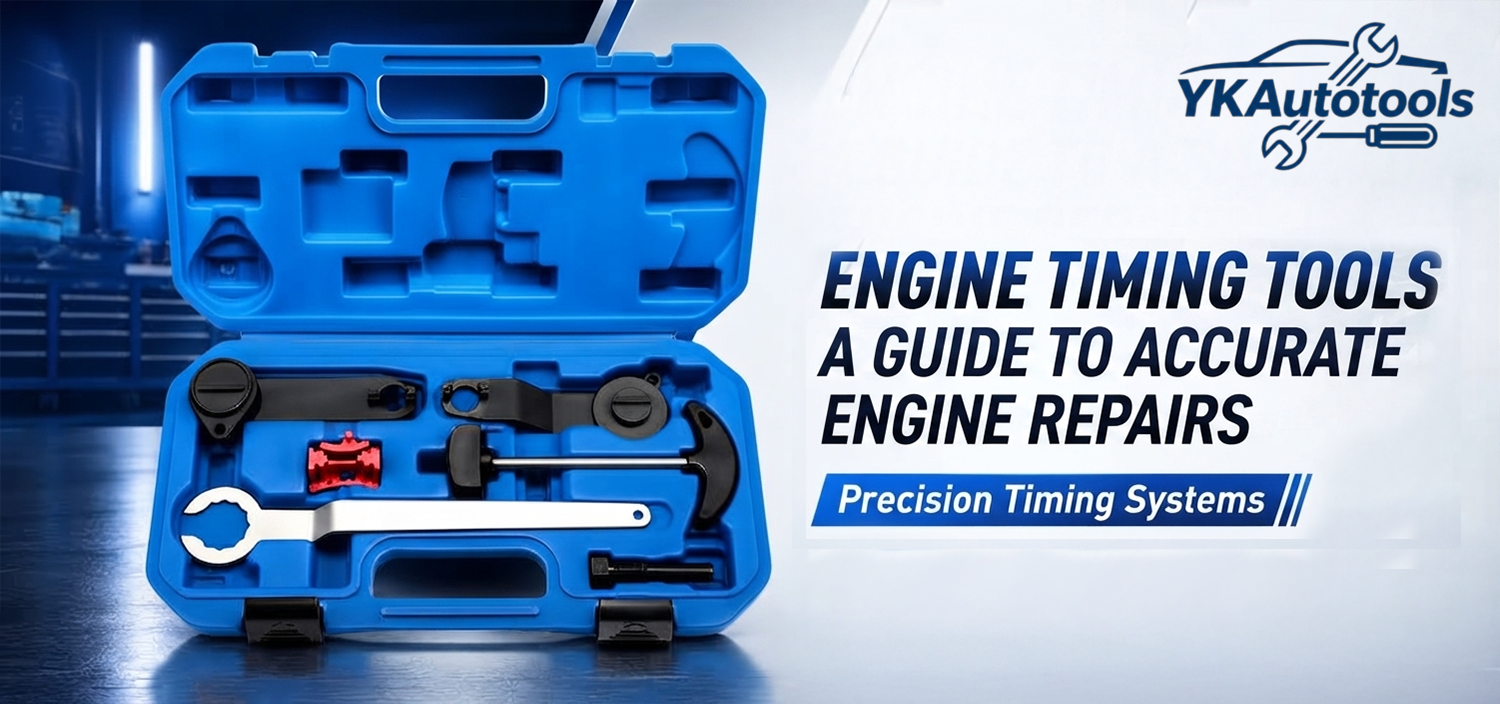
Engine timing is one of those jobs where the right tool can make a big difference. Engine Timing Tools help hold parts such as the camshaft and crankshaft in the correct position while a mechanic works on the timing system. This is useful during jobs such as changing a timing belt or working on other timing parts. Since engines are not all built the same way, the tool that works for one engine may not work for another. Checking the engine details before buying is always a good place to start.
What Are Engine Timing Tools?
Engine timing tools are made to help with repairs that involve an engine’s timing system. Depending on the tool, it may hold a shaft, line up a part, or keep a component from moving during the repair. This gives the mechanic better control while working.
Timing work often involves the camshaft, crankshaft, timing belt, timing chain, or other related parts. When one of these parts is removed, keeping everything in the right position becomes important. A tool made for the engine can make this part of the job much easier.
Why Is Engine Timing Important?
The engine has many moving parts that need to work together. The crankshaft and camshaft must turn in the correct relationship for the engine to work properly. During a repair, these parts may need to be moved or held in place. If they are not put back in the correct position, the engine may not run properly after the work is finished.
That is why mechanics use the correct timing tools instead of trying to hold parts by hand. The exact steps can vary from one engine to another, so the vehicle’s repair instructions should be followed.
How Do You Choose the Right Tool?
The first thing to find is the exact engine fitted to the vehicle. The vehicle make and model are useful, but they may not be enough because one model can have several engine options. Check the engine code and model year where possible. Then compare those details with the product information for the tool.
Also think about the job itself. A tool made to hold a camshaft will not necessarily do the job of a crankshaft locking tool. Reading the tool description before buying can save you from choosing the wrong item.
What Should You Check Before Buying?
A quick check before buying can prevent a lot of trouble later. Look at:
- Engine details: Match the tool with the correct engine code.
- Vehicle application: Check the listed makes and models.
- Job: Make sure the tool is made for the repair you plan to do.
- Contents: Check every item included in a kit or set.
- Build: Look for solid construction and clean finishing.
- Instructions: Check that the correct use is clearly explained.
- Storage: A case is useful for keeping small parts together.
A tool does not need to be complicated to be useful. It just needs to fit the job properly.
What Is an Engine Timing Tool Kit?
An Engine Timing Tool Kit brings several timing tools together in one package. The tools in the kit are usually made for a particular engine or a group of related engines. Depending on the kit, you may find locking pins, alignment pieces, holding tools, and other parts used during timing work. Having them together can be handy when a repair calls for more than one tool.
A kit can also make workshop storage easier. Instead of keeping small timing tools in different drawers, they can stay together in one case. Do not choose a kit only because it has a long list of pieces. Check the engine applications first. A smaller kit that fits your work can be more useful than a large one with tools you never need.
When Is a Timing Tool Set Useful?
An Engine Timing Tool Set can be a handy choice for a mechanic who often works on the same engine family. The tools are already kept together, so there is less searching before a job begins. Sets can also help workshops keep their tools organized. After a repair, the pieces can go back into the same case, making it easier to notice if something is missing.
For a one-off repair, buying a complete set may not make sense. If the job needs only one special tool, that single tool may be enough. Think about the repairs you usually handle. Your normal work is a better guide than the number of tools in a box.
How Do Automotive Timing Tools Help?
Automotive Timing Tools are made for timing work on different types of vehicle engines. Their size and shape depend on the engine they are designed for. A suitable tool can help keep an engine part in place while the mechanic works on another part of the timing system. This can make the work more controlled and easier to manage. Timing tools are available for selected engine applications from brands such as Volkswagen, Audi, BMW, Porsche, Peugeot, and Citroen. The vehicle brand alone is not enough to choose the correct tool, though. The exact engine and repair procedure still need to be checked.
What Should You Check to Make Sure an Engine Timing Tool Is Good Quality?
Check the tool’s shape, edges, locking points, threads, and contact areas before buying. The tool should have a solid finish, fit correctly, and be free from visible damage. For a set, also check the storage case and make sure all pieces are included.
- Build: Look for solid construction.
- Finish: Check for clean edges and surfaces.
- Fit: Make sure it matches the correct engine.
- Condition: Avoid cracks, bends, or damaged parts.
- Storage: Choose a case that keeps the tools organized
How Do You Care for Timing Tools?
Timing tools spend plenty of time around oil and dirt, so they should be cleaned after use. Wipe away workshop residue and follow any care instructions supplied with the product. Put the pieces back in their case or storage area when the job is finished. Small pins and adapters can be easy to lose when they are left loose in a toolbox.
It is worth checking the tools from time to time as well. Look for:
- Bent pieces
- Damaged threads
- Cracks
- Worn contact areas
- Loose or broken parts
If a tool is damaged, replace it rather than using it for an important repair.
What Common Mistakes Should You Avoid When Choosing Engine Timing Tools?
Avoid choosing a tool by vehicle brand alone. Always check the engine code, tool application, and repair instructions before buying. Also, never force a tool if it does not fit correctly.
- Wrong engine: Check the exact engine code.
- Wrong kit: Check every tool included.
- Wrong application: Match the tool to the repair job.
- Ignoring instructions: Follow the correct repair procedure.
- Forcing the tool: Stop and check the fit again.
What Makes a Timing Tool Useful?
The most useful timing tool is one that suits the work you actually do. A small workshop working on a few engine types may need only a handful of specific tools. A larger workshop working on many vehicles may find a wider set more practical.
Before placing an order, check the following:
- Which engines the tool fits
- What part it is made to hold or align
- What comes in the package
- How the pieces are stored
- Whether the product information is clear
- Whether the tool suits the repair procedure
There is no need to buy more than you need. Getting the right tool for the right engine is what matters.
Final Thoughts
Engine timing work calls for care, patience, and the right equipment. An Engine Timing Tool Set can be useful when a repair needs several matching pieces, but checking the engine application should always come first. Look at the engine code, product details, included tools, and repair instructions before making a choice. YKAutotools offers timing equipment for different vehicle and engine applications, helping mechanics find tools that match the repair work they handle.